
The worst event in Rotterdam's history is also the catalyst that led to its incredible rise as one of the most amazing cities in the world.
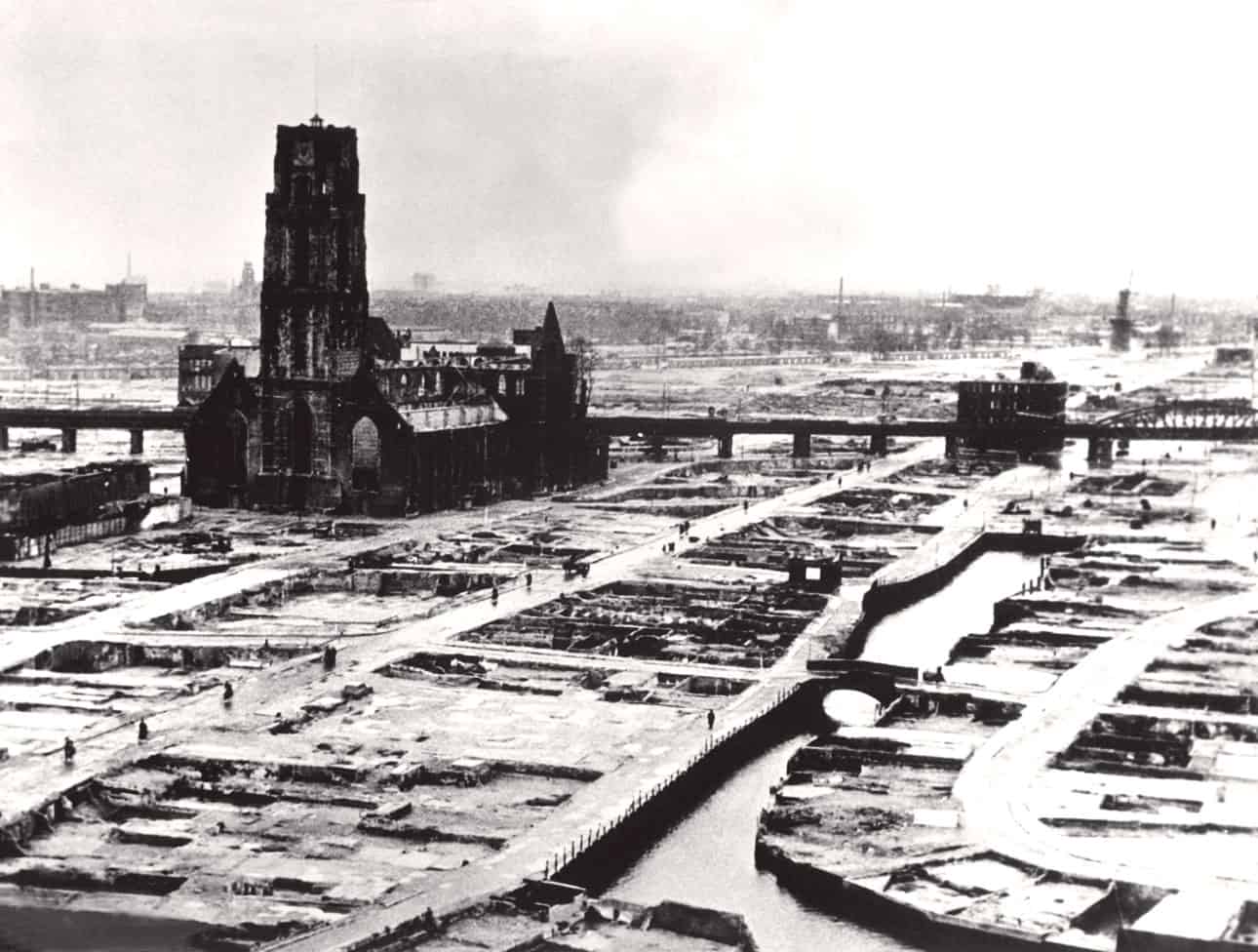
For Rotterdam, May 14th is the day that changed everything. The Nazi bombardment of May 14, 1940, lasted only 15 minutes but destroyed almost the entire city. The 97.000 kilo's of bombs and the resulting fires killed more than 850 people, destroyed thousands of buildings and left 80,000 homeless.
The bombing was a 'mistake'
Apparently, when the Germans invaded the Netherlands, they met with more opposition than expected. Frustrated and wary that the English might come to the aid of the Dutch, Schmidt - the German general charged with the task of bringing the Netherlands to its knees - threatened to bomb Rotterdam unless the Dutch surrendered. He was given the mandate to quell the resistance by any means necessary.
A little-known fact is that the bombing had actually been called off. In the early hours of May 14, general Schmidt gave an ultimatum. Rotterdam had no more than two hours to either surrender or face destruction. Winkelman, the Dutch Commander-in-Chief, tried to stall for time by asking for an official document which was neatly written and properly signed. Schmidt, the German general, was willing to go along with the request and meet the Dutch commander halfway.
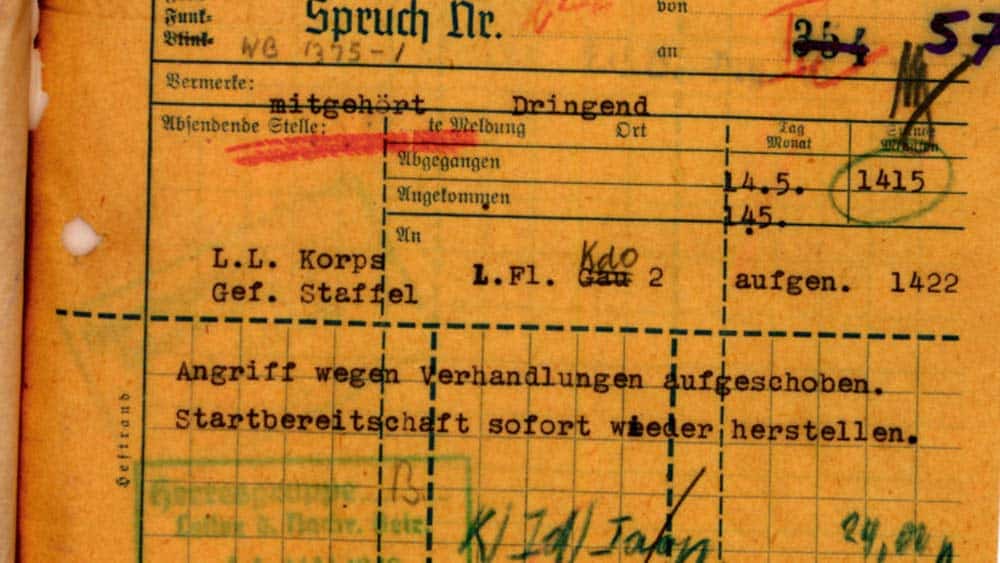 German telegram 📷 Stadsarchief Rotterdam
However, that message never got to the pilots. Twice, general Schmidt sent telegrams to German high command, asking for the bombing to be delayed. However, the Germans had a complex communications system which required all messages to be coded and sent via various radio towers. This required precious time; the one thing that Rotterdam didn't have.
In 1940, there was no way to communicate directly with the aircraft once they were up in the air. By the time the message arrived, the Heinkel bombers had already taken off. General Schmidt ordered his men on Noordereiland to fire red flares to signal the bombers to back off. However, his efforts to prevent the bombing were in vain. Though the general did manage to stop the second wave of bombers from dropping their munitions on the city, the damage was already done.
Do you run a business? RotterdamStyle is looking for a main sponsor. Get exclusive visibility across our website for a fixed fee. Interested? Contact us 🤝
Could the destruction of Rotterdam have been prevented?
Could the Rotterdam Blitz have been prevented? Probably, but we'll never truly know. Had the Dutch commander made haste and given up immediately, the city could have been spared. Moreover, had the German general not been willing to give the Dutch more time, the second wave of bombers could have also struck Rotterdam and the destruction would have been unimaginable.
In the end, though general Schmidt was technically in charge on the ground, the order to bomb the city came directly from the German high command, under pressure from Hermann Göring, Commander-in-Chief of the Luftwaffe (German Air Force).
Determined to force the Dutch to surrender, the Germans threatened to bomb Utrecht next. After what had been done to Rotterdam, commander Winkelman agreed to capitulate the next day, on May 15th, 1940.
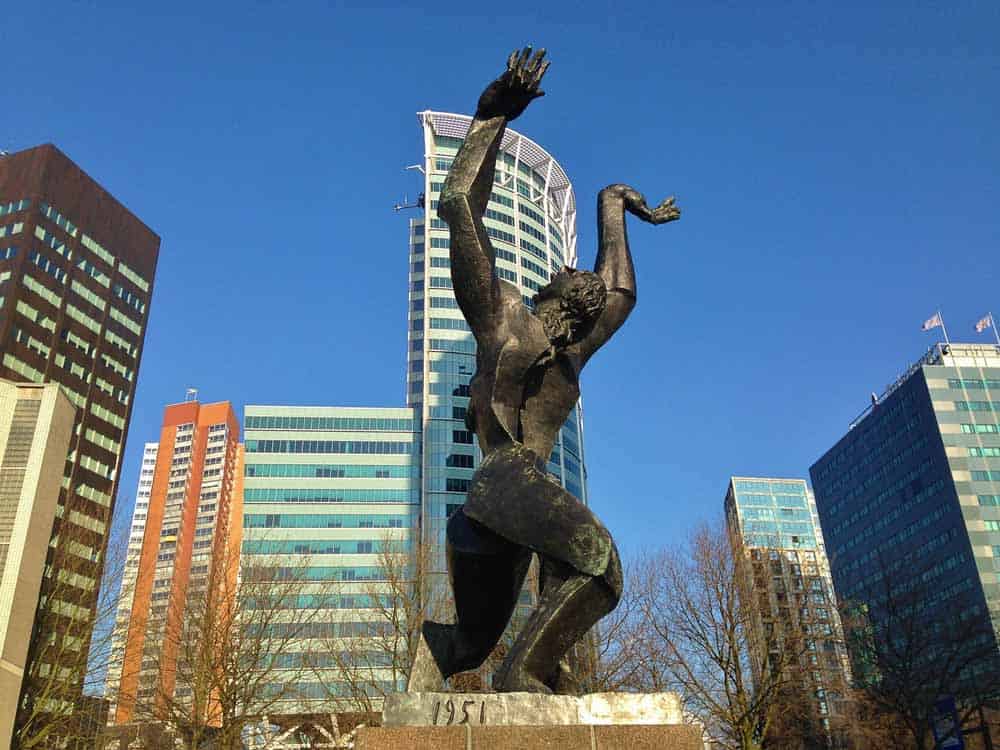 The Destroyed City / City Without a Heart by Ossip Zadkine
The bombing of Rotterdam was devastating and literally left the city without a centre. A fact depicted in the monument many have come to know as 'Stad Zonder Hart' or City Without a Heart (above image). The monument is a sculpture by Russian-born artist Ossip Zadkine who lived in France. You can find the monument on Plein 1940, a square located between the Maritime Museum and the Chamber of Commerce.
However, from these ashes, which landed as far as Gouda, Rotterdam was reborn. To this day, Rotterdam's fighting spirit and 'can do' mentality is evident in its people, culture and architecture.
Location of Plein 1940 (monument and plaza)
Do you run a business? RotterdamStyle is looking for a main sponsor. Get exclusive visibility across our website for a fixed fee. Interested? Contact us 🤝
14th May 2026 Remembrance Day Program
Rotterdam will pause on 14 May to commemorate the bombardment that destroyed large parts of the city 86 years ago. Under the theme You are more than one (Je bent meer dan één), Comité Herdenking 14 mei presents a citywide programme with remembrance moments, cultural activities and space for reflection.
The 2026 programme brings together official commemorations, cultural events and gatherings that invite conversation. The idea is clear: remembering 14 May is not tied to one location or one organisation, but belongs to Rotterdam as a whole. That wider approach matters in a city where the traces of the bombardment are both visible and invisible. You can stand by Zadkine’s The destroyed city, walk the fire boundary (Brandgrens), or simply move through a centre that had to rebuild itself almost from nothing.
The theme You are more than one gives the commemoration room for different perspectives. It suggests that Rotterdam’s wartime history is not a single story, but a collection of personal, family, neighbourhood and city memories. “Commemoration requires more than looking back alone,” says Liesbeth Levy, director of Kenniscentrum Cultuuronderwijs Rotterdam. “With this programme, we make room for different stories and perspectives and show that the meaning of 14 May is still felt in the city today.”
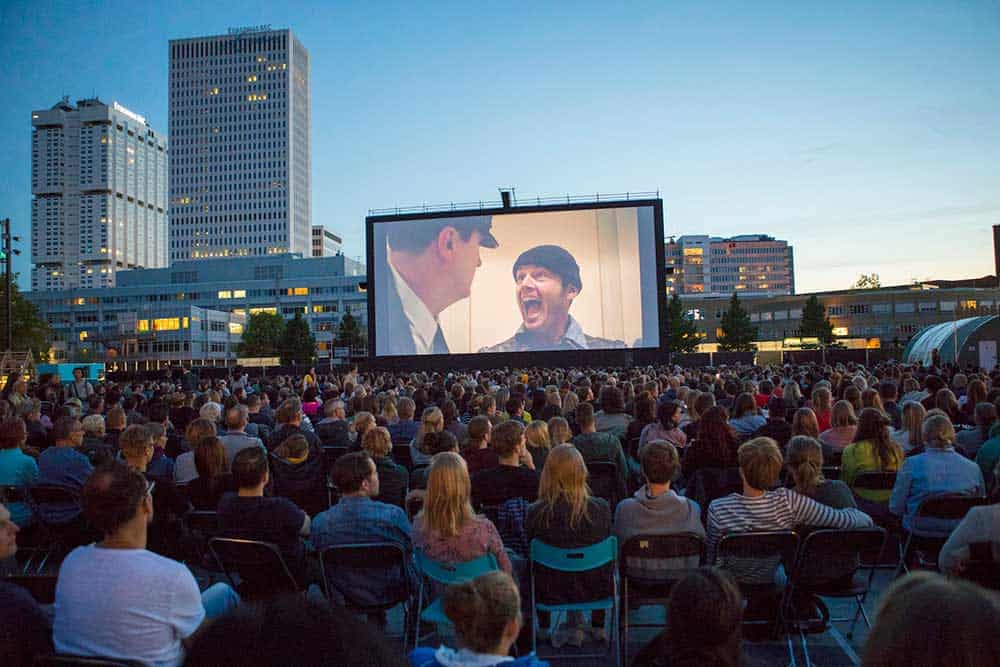
The days around 14 May include more than formal moments of silence. The programme features lectures, walks, exhibitions, music and film, allowing you to approach the history of the bombardment through different forms. Programme highlights include the Brandgrens walk on 13 May, exhibitions at Museum Rotterdam ’40-’45 NU and the Mariniersmuseum on 14 May, and a commemorative concert on 14 May. The Hofland lecture takes place one day before the main commemoration.
Official moments on 14 May
On Thursday 14 May, the official commemorative programme starts at 10:00 at Statenweg, near number 147. This is the place where the ultimatum to surrender Rotterdam was handed over in 1940. The morning programme includes music, words of remembrance by Mayor Carola Schouten, a wreath-laying, the Taptoe signal and two minutes of silence at 10:23.
The wider 14 May programme also includes activities at several places in the city, including Plein 1940, the Laurenskerk, Museum Rotterdam ’40-’45 NU and the Mariniersmuseum. The full programme is available at https://herdenkjij14mei.nl/programma.